About Us
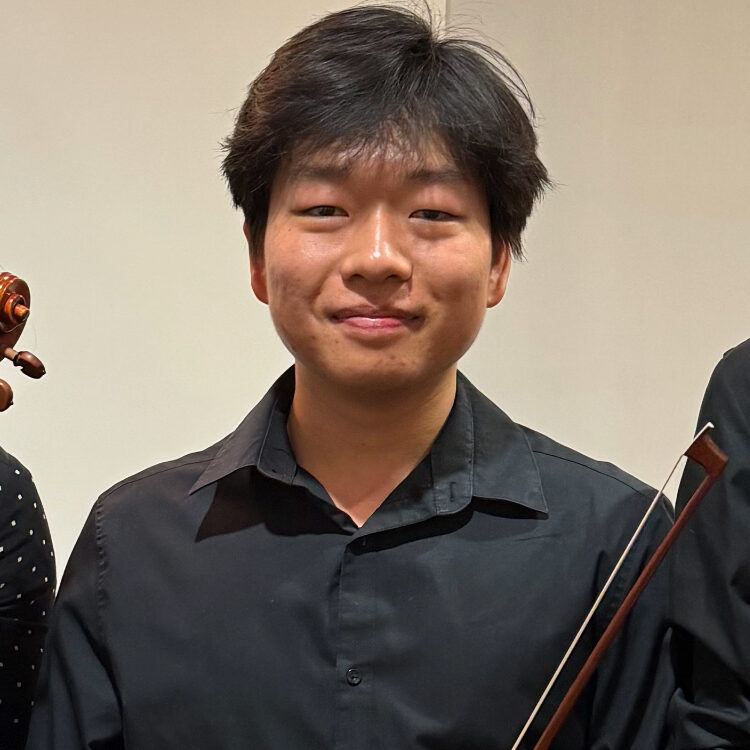
Andrew Choi
PROJECT MANAGER
Hi, my name is Andrew Choi, I am a third year Materials Engineering major. As project manager of the group, I was in charge of scheduling meetings and ensuring that all milestones are met throughout the whole process. I also made sure communication was good amongst all members and that we were working well as a team.
Outside of the academic setting, I like to play violin in an orchestral setting, explore the outdoors, and watch hockey.
Genevieve Gonzales
DATA SPECIALIST
Hi, my name is Genevieve Gonzales, a fourth-year Statistics and Data Science major. As the project data specialist, I standardized and refined our dataset using OpenRefine, conducted sentiment analysis in R, created a derived dataset in R to help analyze post-incident passenger trends, and assisted in developing visualizations in Tableau and Voyant Tools.
Outside of school, I love traveling and have visited France, Hawaii, Italy, Japan, South Korea, and Spain! I also enjoy crocheting random things and playing video games with friends.
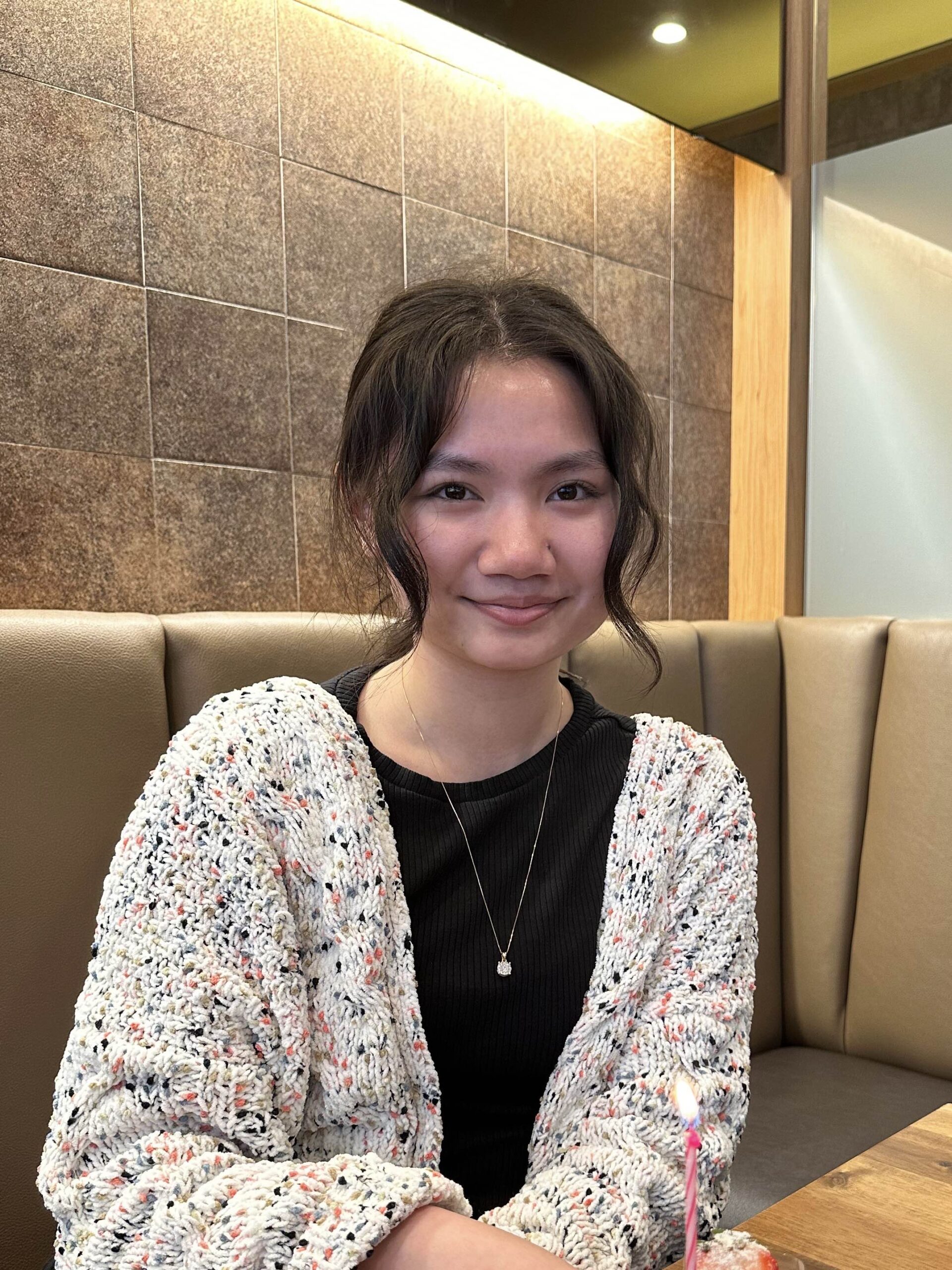
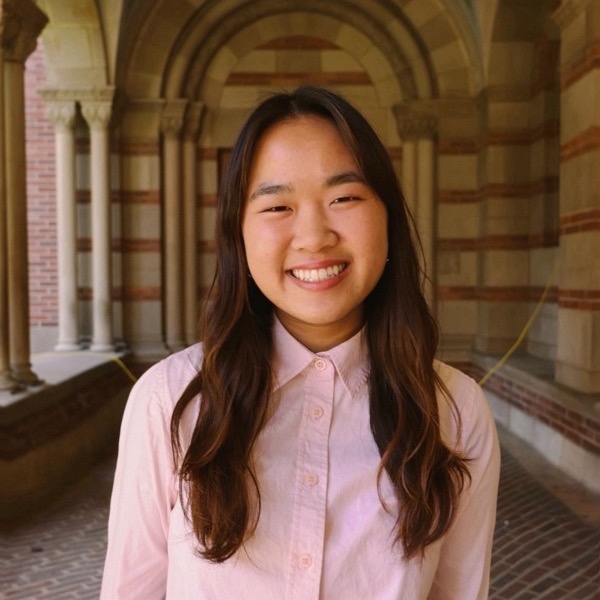
Emily Ha
CONTENT DEVELOPER
Hello, my name is Emily Ha and I am a third-year Psychology major and Digital Humanities minor. My role as content developer ensured the neat integration of our data visualizations, maps, and project narrative. I oversaw the creation of section headers, images, and captions.
Outside of an academic setting, I love to go to the beach!
Haohan Chen
DATA VISUALIZATION SPECIALIST
Hello! My name is Haohan Chen and I am a third-year Computer Science + Statistics and Data Science major. As the data visualization specialist, I overlooked the various graphs and data graphics that were used for our website.
Outside of school, I’m an avid hiker and like to cook.
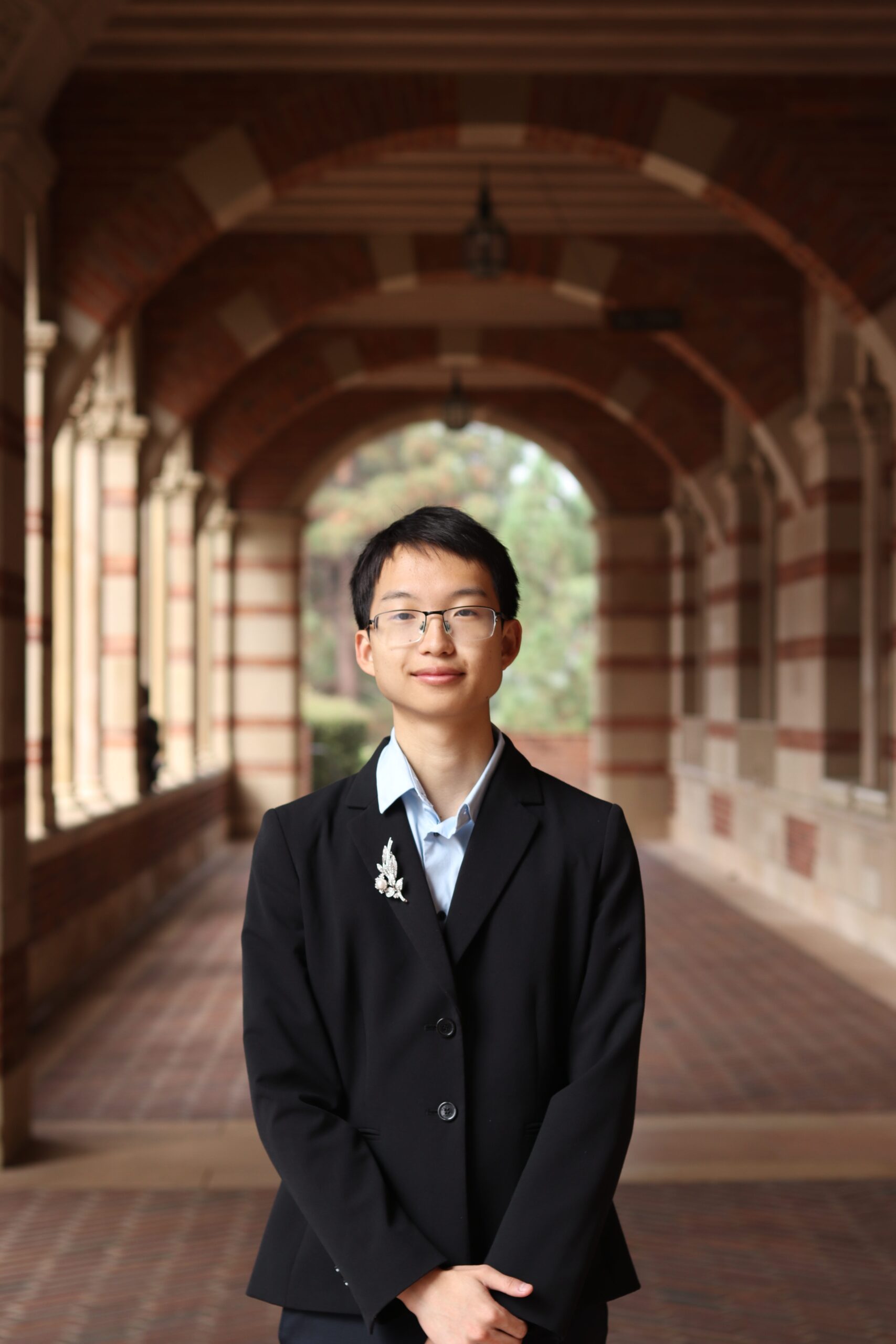

Makena Stanisai
WEB DESIGNER
Hi, my name is Makena Stanisai, and I am a second-year student majoring in Business Economics and Digital Humanities. As Web Designer, I oversaw the the design and structure of our website. I facilitated website organization by installing content and updates to ensure the website performed to our team’s specifications.
Outside of school, I love cooking, working as a makeup artist, and spending time with my family!
Woyu Wang
EDITOR
Hello, my name is Woyu Wang. I am a second-year Computer Science major. As the editor, I ensure consistency in website design and accessibility. I also correct any errors in organization, spelling, and grammar.
Outside of an academic setting, I like developing games and third party apps.
About our Data
Selecting Our Sources
The original dataset around which we created our project was the San Francisco International Airport Traffic Data. We originally found this dataset on Kaggle. This data set provided a comprehensive view of the working airlines between 2005 and 2024 and the number of passengers each airline served during this time.
To further find information concerning flight safety, air travel, and passenger sentiments surrounding these topics, we utilized the UCLA Library website. The UCLA Library’s online search engine allowed our team to search specific key terms like “airline AND crash AND fear.” By using “AND,” the search engine combs through the many different sources and presents the user with books, journals, and articles that mention all keywords inputted. Additionally, the UCLA Library’s online website makes it possible to view journals that have been peer-reviewed. This feature allows our team to find reliable information quickly and efficiently.
Together, our dataset paired with our literary research allowed our team to do a deep dive into passenger sentiments over airline safety and aviation incidents. A compilation of both was needed to create our project as we wanted to explore the different factors that affect a passenger’s sentiments towards flight safety. To explore our literary sources, click below.
Processing Our Data
We worked with one main dataset, SFO Passenger Traffic Data (2005-2024), along with news articles covering airline incidents. The passenger data helped us track changes in airline volume before and after incidents, while the news articles helped us to analyze media framing.
Initially, we obtained the SFO Passenger Traffic Data from Kaggle (2005-2016) but later found the raw source with more completed data covering 2005-2024. Using OpenRefine, we standardized airline names, split data columns, and removed unnecessary attributes. We then filtered passenger counts for three airline incidents–Comair Flight 5191 (2006), Asiana Airlines Flight 214 (2013), and Alaska Airlines Flight 1282 (2024)–calculating post-2 month and post-4 or post-5 month yearly passenger percentages in R. This adjustment helped us account for seasonal fluctuations in travel patterns. We then visualized trends using Tableau and excluded 2020 data due to COVID-19 disruptions.
For sentiment analysis, we selected three news articles per incident, ensuring they were published in the same month and year as the event. Using R, we applied AFINN and Syuzhet lexicons to score sentiment and analyzed word frequency with Voyant Tools. Additionally, we used Tableau to create bubble maps highlighting the most negative words in the articles.
To provide historical context, we created an interactive aviation history timeline using Timeline.js, mapping key events that shaped airline safety over time.
Challenges included limited data scope (as passenger data only reflects inbound and outbound flights from SFO), differences in media coverage over time, and limitations in sentiment analysis, which scores words without considering the full context. Despite these challenges, cleaning and processing the data allowed us to create structured visualizations that made it easier to compare sentiment trends and passenger patterns across incidents.
Presenting Our Narrative
In the presentation stage of our Digital Humanities project, we focused on crafting a compelling narrative. To achieve this, we utilized WordPress as our platform through UCLA’s Humspace website hosting service made for Digital Humanities Students. WordPress is a suitable option for our narrative due to its user-friendly interface and robust support for multimedia integration.
We chose our main colors to be dark and light blues as well as gray neutrals in order to provide the aesthetics commonly associated with air travel. These blues and grays mimic the sky and reference aircraft exteriors reinforcing the thematic focus. In addition, we utilized the Frontis theme for a professional and clean layout for a seamless transition between textual analysis and visual aids. The typography provided by Frontis was selected for clarity and readability. Overall, our design choice was deliberately analytical to ensure we provided the serious and reflective nature of this topic.
Acknowledgements
We would like to express our gratitude for the following people who provided help throughout the entire process of our research and project.
Dr. Sabo introduced and explained all of the concepts behind digital humanities that helped us understand the deeper meanings behind our topic and aided us in creating stunning visualizations and writing a thorough narrative.
Julia Stoddard supported us every week with resources and tools to help create our website and make it look professional. Julia also helped guide our group in making sure the direction we were taking with our topic was well planned out and plausible.